
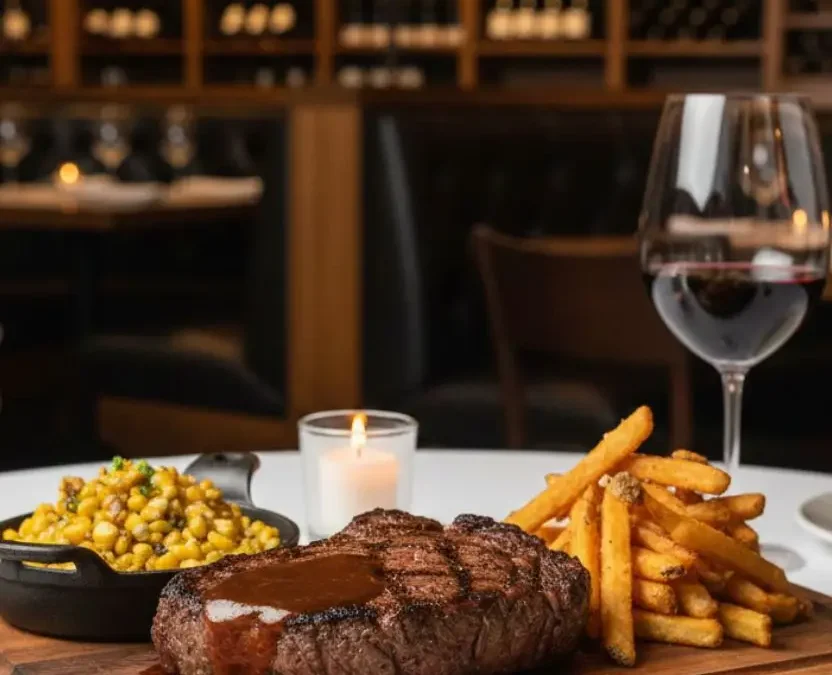
If you want a special night out in Waco, I’ll point you straight to the spots that deliver elevated food, polished service, and menus worth splurging on. The city’s priciest restaurants mix classic steakhouses, seafood-forward kitchens, and stylish downtown dining where quality ingredients and thoughtful plating justify the higher bill.
I’ll walk you through the top fine-dining choices, highlight a personal pick—Diamondback’s—and explain what actually makes these restaurants more expensive than the rest. Expect practical details about ambiance, signature dishes, and why each place feels worth the occasion.
Come with a taste for upscale meals and a willingness to spend a bit more for atmosphere and craftsmanship; I’ll help you choose the right spot for celebrations, date nights, or any time you want Waco’s finer side.
Top Fine Dining and Expensive Restaurants in Waco
I highlight standout spots that deliver high-quality steaks, refined seafood, and polished service. Expect age‑worthy beef, curated wine lists, and intimate dining rooms suited for celebrations or special nights out.
Diamondback’s
Diamondback’s centers on prime steaks and a traditional steakhouse experience. I find their dry-aged cuts and extensive steak selection the main draw; the kitchen focuses on classic preparations and consistent doneness.
The dining room leans upscale with white-tablecloth service and attentive servers who can guide wine pairings. Prices reflect the protein-forward menu—expect top-tier cuts and add‑on options like lobster tails or foie gras.
If you prefer reservations and a quieter table, ask for a corner booth. The restaurant suits anniversaries, business dinners, and anyone prioritizing steak quality over experimental cuisine.
One Thirty Five Prime
One Thirty Five Prime specializes in premium steaks and sushi-grade seafood under a modern, polished roof. I appreciate their Akaushi and wagyu selections; the beef’s marbling and precise sear justify the higher price point.
They pair steaks with an international wine list and craft cocktails. Service is formal but relaxed, making it easy to linger over multiple courses.
The atmosphere fits romantic dinners and milestone meals. If you want a specific cut, call ahead—specialty beef options and seasonal fish sometimes sell out.
Red Herring
Red Herring mixes seafood-forward tasting plates with an elevated, intimate setting. I value their focus on fresh, seasonal ingredients—menu items rotate to highlight local catch and chef-driven preparations.
Presentation leans contemporary; expect small plates, composed entrees, and thoughtful sauces that accent seafood rather than mask it. The beverage program includes curated wines and cocktails designed to complement delicate flavors.
This spot works well for people who want finesse and variety on a single bill. Reserve early for weekend evenings; the dining room fills quickly when the market-driven menu features a standout item.
1424 Bistro
1424 Bistro blends classic bistro technique with locally sourced produce and an evolving menu. I find their approach approachable yet refined—think house-made pastas, seasonal fish, and steak entrees that aren’t afraid of bold seasoning.
The space feels warm and neighborhood‑focused while maintaining white-table service for special occasions. They offer a compact but solid wine list and occasional prix‑fixe menus for holidays.
If you want solid fine-dining flavors without the formality of a large steakhouse, 1424 Bistro offers that middle ground. Weeknight dining can be quieter; weekends are livelier and may require a reservation.
The Butcher’s Cellar
The Butcher’s Cellar emphasizes curated cuts, charcuterie, and a cellar-driven wine selection. I respect their attention to meat provenance and aging; they present steaks alongside a strong selection of cured meats and cheese boards.
The setting combines rustic elements with refined service—dim lighting, wooden accents, and a focus on pairings. Their sommelier-style recommendations help navigate the wine list, which targets bold reds to match richer proteins.
This venue suits diners who prioritize meat-centered tasting and a pronounced wine program. For group meals, consider shared plates and a bottle from their reserve list to maximize the experience.
Personal Recommendation Diamondback’s
I recommend DiamondBack’s when you want an upscale steakhouse experience in Waco with a relaxed, friendly vibe. I’ve found the service consistently attentive, which makes special occasions feel effortless.
The menu blends classic Texas steaks with seafood and sushi options, so there’s something for mixed groups. I like that the menu supports sharing—starters and rolls let everyone try a few dishes.
Highlights I usually suggest:
- Steak or chop for a classic, well-executed centerpiece.
- A sushi roll or sashimi if you prefer lighter, refined flavors.
- House-made pasta as a comforting alternative.
I appreciate the private event spaces they offer for rehearsal dinners or business functions. Booking ahead is wise on busy nights or for larger parties.
Price is on the higher side compared with casual Waco spots, but I find the quality, portion sizes, and ambiance justify the cost for celebrations or date nights.
What Makes These the Most Expensive Restaurants in Waco Texas
I focus on three concrete cost drivers: top-tier proteins and aging practices, inventive chef menus and labor-intensive techniques, and curated wine and cocktail programs that add significant per-person spend.
Steakhouse Excellence and Premium Ingredients
I look for specific beef sources and aging methods when judging price. Restaurants that feature Akaushi, wagyu, or USDA Prime with 21+ day dry aging command higher prices because the animals cost more and the aging process requires time, space, and weight loss that restaurants absorb as expense.
Seafood choices also push checks up. Sushi-grade fish, whole lobster tails, and seasonal Gulf oysters require rapid cold-chain logistics and higher wholesale prices. Produce and specialty pantry items — heritage tomatoes, truffle oil, imported cheeses — raise dish costs further.
Service and plating factor in too. Steakhouses that finish steaks tableside, source bone-in cuts, or offer large-format share steaks increase labor and portion-control complexity, which gets reflected in menu pricing.
Chef-Driven Menus and Culinary Craftsmanship
I value menus that require skilled prep and long lead times. Tasting menus, sous-vide programs, and house-cured charcuterie need trained cooks, precise equipment, and substantial mise en place. Those investments show up in higher per-plate prices.
Ingredient transformations matter. When chefs convert whole animals into multiple preparations, make fresh pasta, or create multi-component desserts, the labor hours per dish climb. That craftsmanship justifies premium pricing in places like upscale Italian and contemporary American restaurants.
Menu design also affects cost. Seasonal small plates, rotating chef’s selections, and multi-course prix fixe options reduce predictability for purchasing but increase culinary creativity and staff specialization — both raise operating costs and menu prices.
Wine Programs, Cocktails, and Pairings
I check wine lists for depth and verticals. Extensive lists with older vintages, single-vineyard selections, and bottles from Europe or boutique producers add capital and storage costs. Restaurants with 100+ curated bottles need cellar space, temperature control, and insurance, which increases overhead.
Cocktail programs drive beverage revenue too. Craft cocktails using fresh juices, house-made syrups, and barrel-aged spirits require skilled bartenders and time-consuming prep. Signature cocktails and curated pairings often carry higher markups.
Pairing services amplify checks per guest. A recommended wine or cocktail pairing for a multi-course meal typically adds $30–$150 per person depending on bottle selection or tasting pours. When sommeliers and trained servers personalize pairings, the labor premium is reflected in both price and perceived value.
Final Thoughts on Expensive Restaurants in Waco Texas
I found Waco’s high-end restaurants offer clear choices: classic steakhouses for special occasions, Italian and seafood spots for intimate dinners, and wine bars for relaxed tasting nights. Picking the right place comes down to menu focus, atmosphere, and service details.
How to Choose the Right Fine Dining Restaurant for Your Occasion
I match the restaurant to the event: Dakota’s Steakhouse or One Thirty Five Prime for anniversary dinners where steaks and a formal vibe matter. For intimate Italian meals I favor Pignetti’s or Baris, which emphasize pasta, wine pairings, and a quieter room. If wine selection and small plates matter, Oak & Ivy fits casual tasting with an elevated bar program.
Check menus online for signature dishes and sourcing (Akaushi beef, aged prime cuts, or fresh sushi-grade fish). Read recent reviews for consistency and note private dining options or noise level. Price-check: expect entrees from $30–$75 at most fine-dining spots, with tasting menus and premium bottles raising the final bill.
Reservation Tips, Peak Times, and Insider Advice for 2026
I book 1–3 weeks ahead for weekend dinners; for Friday–Saturday prime slots reserve 2–4 weeks, and for holiday weekends plan earlier. Request specific seating (window, booth, or private room) when you call or reserve online to control noise and sightlines. Mention dietary needs up front; many kitchens will prepare off-menu accommodations with notice.
Peak times: dinners 6:30–8:30 PM are busiest. For lower crowds try early seating (5–6 PM) or late (after 9 PM). For popular chef’s tables, tasting menus, or special beef cuts call the restaurant directly—phone requests often secure limited items not shown online. I also check wine lists beforehand and bring a special bottle only if corkage is acceptable; many Waco spots post corkage policies online.