
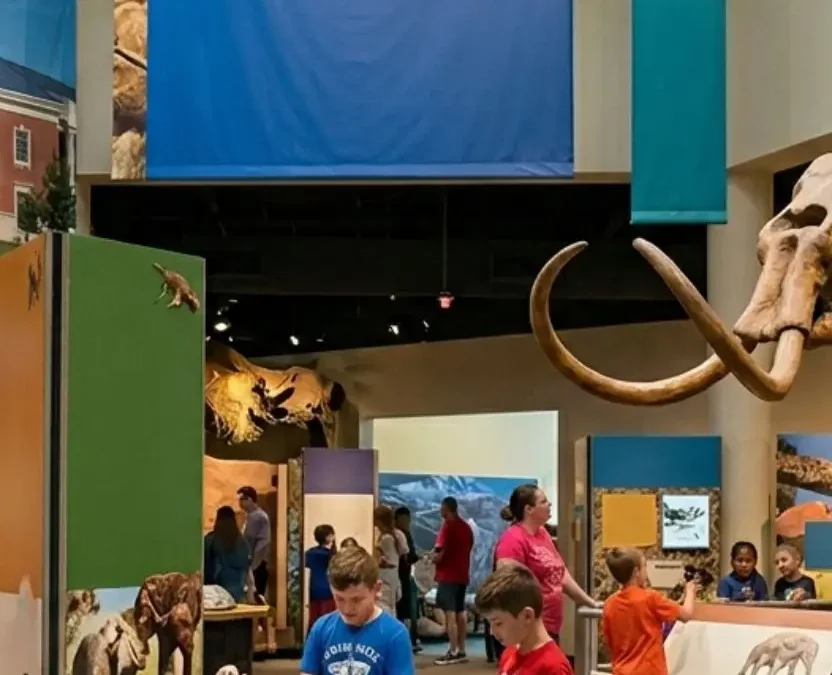
If you have never stood inside a walk-in limestone cave while learning about Central Texas wildlife, you are genuinely missing one of the most memorable museum experiences in the entire state. The Mayborn Museum Complex exhibits in Waco, Texas deliver a rare combination of natural science, cultural history, and hands-on discovery that families rarely find under one roof. Housed inside a stunning 143,000-square-foot building on the Baylor University campus, this complex has earned its reputation as one of Texas’s most complete and continuously evolving learning destinations. Every visit reveals something new, whether it is a freshly opened gallery, a traveling exhibit, or an outdoor historic village that transports you straight into the 1890s. This guide covers every major section of the museum, a verified 2026 exhibit list, a personal recommendation, and everything you need to plan your visit before spots fill up.
What Makes the Mayborn Museum Complex in Waco a Must-Visit in 2026
The Mayborn Museum Complex exhibits span natural history, cultural heritage, paleontology, and interactive science across an ambitious and beautifully designed campus in Waco. Located at 1300 S University Parks Drive on the Baylor University campus, the museum welcomes visitors Monday through Saturday from 10 a.m. to 5 p.m. and Sunday from 1 p.m. to 5 p.m. What separates Mayborn from comparable regional museums is its layered experience — you can spend a single hour or an entire afternoon and still leave with something you did not fully explore. The Smithsonian Affiliation the museum holds guarantees exhibit quality and programming standards that exceed most state-level venues in Texas. Locals and tourists alike return year after year because the exhibit rotation keeps the experience genuinely fresh and intellectually rewarding every single time.
A Baylor University Gem With Deep Central Texas Roots
The Mayborn Museum Complex traces its history back to 1856 when Baylor University first began collecting minerals, shells, and scientific specimens for educational purposes. Three beloved Waco institutions — the Strecker Museum, the Ollie Mae Moen Discovery Center, and the Governor Bill and Vara Daniel Historic Village — were unified into the current complex when it opened in 2004. That merger created something genuinely greater than the sum of its parts, blending scholarly natural history collections with beloved community discovery rooms. The Smithsonian affiliation further elevates the museum’s credibility and ensures access to world-class traveling exhibitions that rotate through the 5,000-square-foot Anding Traveling Exhibit Gallery throughout the year. This deep institutional foundation is precisely why the Mayborn Museum continues to attract visitors, researchers, educators, and curious families from across Texas and beyond.
Who Should Visit and When to Go for the Best Experience
Families with children of all ages benefit enormously from the Mayborn Museum Complex exhibits because the programming intentionally spans toddler play areas through advanced paleontology and cultural history displays. School groups, homeschool co-ops, and educators will find curriculum-aligned programming available throughout the academic year, making this a genuinely purposeful field trip destination. Solo travelers and adult visitors who love natural history and regional heritage will find the cultural exhibits and historic village deeply engaging and far more detailed than they might expect. Weekday mornings offer the calmest experience, with fewer crowds in the discovery rooms and more space to linger inside the walk-in dioramas. If you visit on a weekend, arriving right at opening gives you a comfortable head start before families with young children fill the popular interactive floors.
Verified Exhibits at the Mayborn Museum Complex (2026)
The Mayborn Museum Complex, located at 1300 S University Parks Drive in Waco, Texas, offers a diverse blend of natural history, cultural heritage, and hands-on science education. As an official Baylor University institution, the museum provides engaging learning environments across its permanent galleries, interactive centers, and outdoor historic spaces. Below is the complete, verified list of active exhibits open to visitors in 2026.
Waco at the Crossroads of Texas Natural History Exhibits
This immersive permanent gallery features walk-in dioramas that recreate a Central Texas limestone cave, a native prairie, and a forested landscape. Visitors can explore realistic Texas wildlife displays alongside fascinating geological specimens unique to the region. The exhibit highlights how the environment shaped local history and ecosystem dynamics. It provides an excellent, up-close look at the natural world that defines the Heart of Texas.
Texas Lifeways Cultural History Gallery
Step inside a full-scale Waco Indian grass house, a buffalo-hide teepee, a Norwegian stone cottage, and a single-pin log cabin. Together, these carefully reconstructed structures tell the story of the diverse peoples who called Central Texas home across centuries. This gallery offers a tangible window into how different communities built their shelter and thrived in the regional climate. It serves as a powerful reminder of the multicultural roots that form modern-day Waco.
Strecker’s Cabinets of Curiosities
A tribute to the museum’s 19th-century origins, this gallery showcases rare minerals, shells, fossils, and specimens originally collected by Baylor naturalist John K. Strecker. The items are presented with modern interpretive context to bridge historic collecting methods with contemporary scientific understanding. Visitors can admire the vast diversity of the natural world through a classic, vintage museum aesthetic. It celebrates the foundation of Texas’s oldest continuously operating museum collection.
Harry and Anna Jeanes Discovery Center
Spread across two expansive floors, this hub features 17 themed rooms designed for family-friendly, hands-on learning. The discovery rooms cover a massive array of topics, from health sciences and communications to transportation and engineering. Each room offers age-appropriate interactive activities that encourage critical thinking and scientific inquiry. It remains one of the most popular zones for young explorers and lifelong learners alike.
Governor Bill and Vara Daniel Historic Village
This sprawling outdoor living history village features nine authentic wood-frame buildings that recreate a Central Texas community from the 1890s. Visitors can wander through the historic structures to experience a tactile, accurate window into the late 19th-century Texas way of life. The site hosts seasonal demonstrations and educational programs that bring the past vividly to life. It bridges the gap between indoor academic exhibits and the physical reality of pioneer history.
Paleontology and Geology Exploration Stations
Dedicated hands-on stations invite visitors to examine real fossils, sediment cores, and unique geological specimens. Participants learn about the prehistoric landscapes that once covered the Waco region millions of years ago. The interactive elements allow guests to step into the shoes of field scientists and researchers. It provides vital context regarding the ancient oceans and megafauna that once dominated Texas.
Waco Mammoth Site Diorama
This dedicated display recreates the nationally significant Waco Mammoth National Monument site right inside the museum. It showcases replicas of the Columbian mammoth fossils discovered nearby and details their remarkable story of preservation. The exhibit explains the cataclysmic natural events that trapped these massive prehistoric creatures in the local mud. It serves as an excellent introduction or companion piece to the actual monument site located just a short drive away.
Anding Traveling Exhibit Gallery
This 5,000-square-foot gallery hosts rotating, world-class traveling exhibitions throughout the year to ensure there is always something new to see. The 2026 lineup features the Castle Builder Exhibition, followed by the highly anticipated Projecto PaleoAngola in the summer. Later in the fall, the gallery will transition to the interactive Attack of the Bloodsuckers exhibit. This dynamic space brings global history, science, and pop culture directly to the Waco community.
Cultural Crossroads Gallery
The museum’s newest permanent gallery adds 5,000 square feet of immersive storytelling about the people and cultures that shaped Central Texas. It offers deeply researched narratives covering Comanche and Waco tribal history, the building of the iconic Waco Suspension Bridge, and 19th-century settler life. This space Utilizes modern technology and rich artifacts to present a nuanced, complete view of regional development. It stands as a premier cultural addition to the museum’s 2026 lineup.
Play Waco Discovery Room
This beloved early-childhood exploration space is designed specifically for toddlers and young children. It offers themed play areas including bubble stations, sensory activities, and imaginative role-play environments built around Central Texas themes. The room allows younger guests to develop motor skills and social socialization in a safe, stimulating environment. It ensures that even the smallest visitors have a space tailored perfectly to their educational needs.
Inside the Natural History Wing: Fossils, Dioramas, and Deep Texas Prehistory
The natural history section powerfully merges academic roots and public engagement into a single, unforgettable and deeply educational experience. Walk-in dioramas place you directly inside recreated Texas environments, featuring a limestone cave, sunlit prairie, and dense, realistic forests. Expertly crafted wildlife displays and geological formations make these beautifully simulated environments feel astonishingly real to every visiting guest. Interactive paleontology and geology stations let visitors handle actual specimens, making abstract prehistoric concepts immediately tangible for all ages. The Waco Mammoth Site diorama beautifully connects this museum to the nearby National Monument, highlighting local, scientifically significant ground. Scientists, students, and curious visitors consistently rank this remarkable wing among the most rewarding experiences in the entire complex.
The Waco Mammoth Connection: A Fossil Story Unlike Any Other
Few Texas museums claim a direct geographic and scientific connection to a federally recognized National Monument like the Mayborn Museum. The nearby Waco Mammoth National Monument preserves North America’s largest single-species Pleistocene mammoth discovery, which this museum brings to life. The natural history wing’s diorama reconstructs the nursery herd scenario, showing Columbian mammoths that died in a single prehistoric flood. Precise panels explain the excavation history, its paleontological significance, and ongoing research conducted in partnership with Baylor University scientists. Visiting this exhibit before or after a trip to the actual monument site creates a deeply enriching layered experience that no other single destination in Waco can replicate.
The Jeanes Discovery Center and Historic Village: Where Learning Becomes Play
The Harry and Anna Jeanes Discovery Center represents the interactive heart of the museum, where education genuinely feels like play. Two full floors offer seventeen themed discovery rooms covering a wide range of topics, from health to advanced physical sciences. Each distinct room is carefully designed to engage a specific age range, learning style, or scientific interest quite effectively. Thoughtful arrangements ensure younger children find sensory rich environments while older visitors encounter nuanced scientific and historical museum content. Play Waco, the early childhood area, draws rave reviews from parents who appreciate the enclosed, themed, and endlessly replayable design. First time visitors often lose track of time entirely, and returning families routinely add an hour to every visit.
Stepping Into the 1890s: The Governor Bill and Vara Daniel Historic Village
No Mayborn Museum visit is complete without stepping outside into this historic village, which brings an 1890s community to life. Nine authentic wood frame buildings, including a church and schoolhouse, preserve the lived experience of everyday late nineteenth century Texans. Each structure is filled with period accurate furnishings and tools that reveal domestic life and agricultural practices in granular detail. The village smartly continues the internal crossroads theme, beautifully connecting prehistoric Central Texas to early settler communities without any disjointedness. On cooler mornings or pleasant afternoons, this village remains one of the most peaceful, memorable places in all of Waco.
My Personal Recommendation: Do Not Skip Cultural Crossroads
Reviewing current exhibits, my strongest recommendation is making the brand new Cultural Crossroads gallery your first stop of the day. This five thousand square foot permanent gallery opened in spring and tells stories of Comanche people and their bison relationship. The gallery highlights Waco tribal grass house traditions, the iconic Suspension Bridge, and waves of settlers shaping regional Texas identity. The storytelling approach feels immersive and emotionally resonant, establishing an experiential history experience at a very high and impressive standard. Because it is brand new, right now is the ideal window to visit before word spreads and lines form. Cultural Crossroads alone is worth your admission price, marking a great new chapter for this beloved Texas educational institution.
Tips to Maximize Your Mayborn Museum Visit in 2026
Arriving on a Tuesday or Wednesday morning gives you the most unobstructed access to the discovery rooms before weekend crowds arrive. A family membership pays for itself in just two visits while providing excellent discounts on all special traveling exhibit admissions. Download the museum app or check the official website before your trip to confirm the current Anding Gallery rotating schedule. Budget at least three to four hours for a thorough first visit, allowing one full unhurried hour for the village. Comfortable walking shoes are essential because the outdoor historic village involves uneven terrain, and the facility spans multiple accessible floors.
Final Thoughts: Why the Mayborn Museum Complex Belongs on Every Waco Itinerary
The Mayborn Museum Complex exhibits represent one of Central Texas’s most underrated, genuinely rewarding, and highly engaging cultural travel destinations. From prehistoric limestone caves and Columbian mammoth fossils to an 1890s historic village, every corner rewards your deep, careful curiosity. The museum’s Smithsonian affiliation and Baylor University research partnerships ensure that no two visits to this facility ever feel identical. Whether you are visiting Waco for the first time or have lived here for decades, this museum deserves prominent scheduling. Book your visit now, because the exhibit calendar is filling up fast and the new gallery buzz is growing louder.