
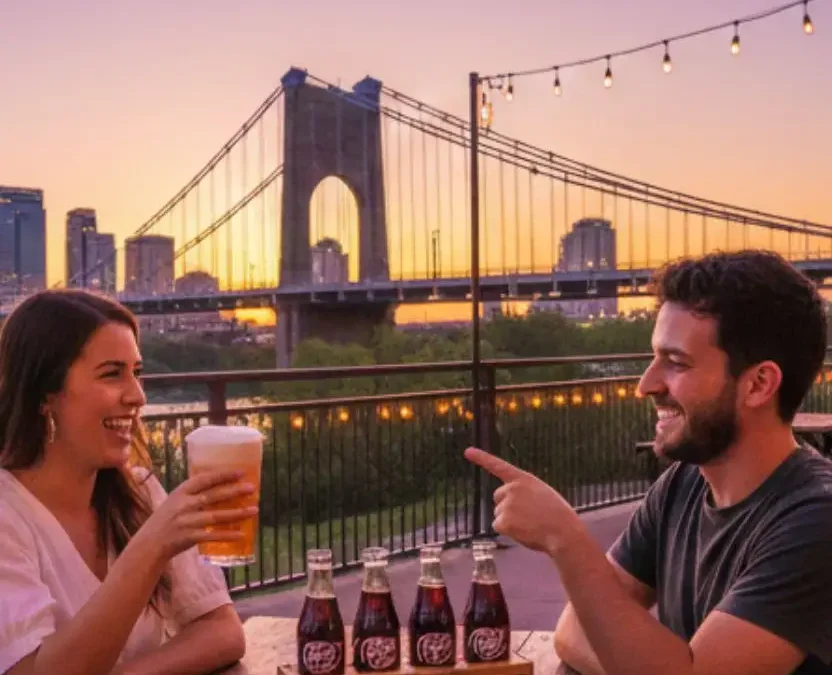
I love how Waco hides big surprises in the heart of Texas — from bottle-lined bars and a Dr. Pepper birthplace to hands-on paleontology and secret local hangouts. You can spend an afternoon at Magnolia Market, then stumble into a beer spa or trace mammoth bones at an active dig, and still not run out of distinctly Waco experiences.
If you want a short list of things you truly can only do in Waco, I’ll show you seven experiences that capture its mix of Central Texas food, culture, and offbeat charm.
Stick with me and you’ll find practical tips for each stop, a personal pick for the must-do dig at Waco Mammoth National Monument, and a few hidden gems I return to whenever I’m in town. These choices highlight why Waco feels different from other Texas cities while making it easy for you to plan a visit that’s equal parts memorable and uniquely local.
7 Unique Experiences You Can Only Do in Waco (Updated for 2026)
I found seven Waco experiences that stand out for history, nature, and local flavor. Each one is easy to reach from downtown and offers something you can’t replicate elsewhere in Texas.
Walk through an active fossil dig at Waco Mammoth National Monument
I walked the elevated boardwalk above an active paleontological site and saw Columbian mammoth remains in situ. Guided tours explain how the herd became trapped in a Pleistocene river channel and point out bones still being uncovered by park archaeologists.
The on-site visitor center shows casts and original fossils, and the interpreters describe excavation techniques and conservation steps. Reservations are recommended for weekend visits and school groups because tours fill up during peak season. Photography is allowed in most areas, so bring a wide lens for the broad dig exposures.
Visit the original Dr Pepper bottling plant
I toured the historic 1906 building that houses the Dr Pepper Museum and stepped into the room where the soft drink’s early bottling and advertising history comes alive. Exhibits include a working soda fountain, packaging displays, and period artifacts tied to Dr. Charles Alderton’s invention.
The museum keeps vintage advertising and bottling equipment on display and offers tastings of classic soda flavors at Frosty’s Soda Shop. Check current hours before you go; the museum runs special events and rotating exhibits that highlight different decades of Dr Pepper’s growth.
Explore Cameron Park, one of the largest city parks in Texas
I hiked shaded trails through 400-plus acres of limestone bluffs, river overlooks, and dense cedar-oak woodlands in Cameron Park. The park delivers short loop hikes, longer ridge trails, and paved sections for biking and running along the Brazos River.
Bring water and bug protection during warm months; some trails climb steeply and become rocky. I paused at the Indian Springs area for a river view and used the park map at trailheads to choose routes that match my fitness level. Parking and picnic shelters make it easy to spend a full day.
Tour the Texas Ranger Hall of Fame in its home city
I visited the Texas Ranger Hall of Fame to trace law-enforcement history through artifacts, uniforms, and case files. The museum explains the Rangers’ evolving role from frontier scouting to modern criminal investigation, with interactive displays that provide context rather than myth.
The Hall of Fame includes a research library and rotating exhibits that spotlight notable Rangers and pivotal events. I recommend planning at least an hour to view the core galleries and add time if you want to use archival resources or join a scheduled talk by museum staff.
Stroll the Waco Suspension Bridge and Riverwalk
I walked the historic Waco Suspension Bridge across the Brazos River and continued along the Riverwalk for curated public art and riverfront benches. The bridge, restored and lit at night, connects downtown to Cameron Park and offers steady views of the river and skyline.
The Riverwalk sections include interpretive panels about local history and paths suitable for strollers and bicycles. I timed my walk for sunset and stopped at riverside cafes for a cold drink. Seasonal events sometimes close portions of the walk, so check local event listings if you want a quieter stroll.
Taste award-winning spirits at Balcones Distilling
I booked a distillery tour at Balcones to watch small-batch whiskies and rums being produced and to sample spirits straight from the source. Tours cover mash bills, copper still operation, and aging practices that earned Balcones national awards for craft whiskey.
Reservations are required for tastings and bottle purchases on many weekends. I suggest pairing the tour with a tasting flight to compare expressions, and to ask staff about limited releases that sell out quickly at the on-site shop.
Experience downtown Waco’s art, shops, and river views
I wandered the downtown Cultural District to find independent galleries, mural-lined alleys, and curated boutiques selling home goods and apparel. Cultivate 7Twelve and Art Center Waco host rotating exhibitions, while specialty stores carry locally made ceramics, jewelry, and candles.
I stopped at food trucks and cafés near the courthouse square, then followed side streets to discover vintage shops and hat makers. Live music and monthly market days add energy; check event calendars for pop-up nights and gallery receptions.
Personal Recommendation
I remember the first time I walked the short paved path from the Welcome Center to the dig shelter; it felt like stepping into a real archaeological story. The guided tour lasts about 45–60 minutes, and I found the half-hour presentation rhythm convenient for fitting into a day trip.
Inside the climate-controlled shelter I stood inches from Columbian mammoth bones still in situ. Seeing fossils where they were discovered made the past feel immediate, not behind glass.
Rangers and volunteers explain the Ice Age context, the discovery, and ongoing excavation work. Their enthusiasm is infectious, and they answer questions clearly, so I learned more in one visit than I expected.
Practical notes I found useful:
- Tours every 30 minutes — no reservation typically needed.
- Expect a short, easy walk from the Welcome Center.
- Small tour fee applies; check current hours before you go.
If you enjoy slow, curious exploration, bring a camera and comfortable shoes. I recommend joining a tour rather than just viewing from the perimeter; being close to the bones and hearing the stories made the visit memorable for me.
Culture, Food, and Hidden Local Gems
I love how Waco mixes walkable streets, quirky shops, and local flavors into a compact, easy-to-explore experience. Expect street murals, weekly markets, craft drinks, and historic campus buildings within a few blocks of each other.
Downtown Waco Art and Shopping
I start my downtown wander at the Waco Downtown Cultural District, where galleries and boutiques cluster around the McLennan County Courthouse and River Square Center. Cultivate 7Twelve hosts rotating exhibitions and I often find conversation-starting pieces to take home. Art Center Waco runs community shows and classes that bring local artists into view.
For shopping, I hit Spice Village and the LaSalle Shoppes for vintage finds and handmade goods. Homestead Craft Village and Homestead Heritage showcase traditional crafts; I’ve bought hand-stitched textiles and learned from artisans there. On Saturdays I browse the Waco Downtown Farmers Market for seasonal produce and prepared foods, then pop into small shops along Austin and 3rd Streets.
Local Brews, Wines, and Distilleries
I map out tasting stops because Waco’s beverage scene punches above its size. Southern Roots Brewing Company, Bare Arms Brewing, and Brotherwell Brewing each offer distinctive taproom vibes and rotating seasonal beers. I like a session at Brotherwell’s beer garden when the weather is mild.
Balcones Distilling requires advance booking for tours, where I’ve seen production up close and sampled award-winning whiskeys. Valley Mills Vineyards provides a quieter tasting room for wine flights. For a full-day crawl, the Brew Bus or a self-planned loop that includes these stops makes it easy to taste local craft without driving between sites.
Historic Districts and Baylor University
I take the Classic Waco Tour to orient myself—its 2.5-hour route highlights Baylor University campus landmarks, Cameron Park, and historic neighborhoods. On campus I visit the Armstrong Browning Library and the Mayborn Museum Complex; the Mayborn’s exhibits tie regional history to accessible displays that I find engaging for adults and kids.
Strolling Baylor’s grounds reveals architectural details and the Bear Habitat near campus adds local character. The Waco Hippodrome Theatre and downtown’s vintage storefronts preserve early-20th-century charm I enjoy photographing. I also explore the historic districts near the courthouse and find hidden cafés, including Vitek’s BBQ near the river, and intimate venues like Undercroft Social Club for low-key evenings.
Conclusion — What Makes Waco Truly Different From Other Texas Cities
I find Waco’s mix of small-town warmth and big-city creativity refreshing. The city pairs hometown friendliness with cultural offerings you’d expect in larger metro areas.
I love that Waco wears its history and modernity at the same time. From Baylor’s campus and the Waco Mammoth site to artisan shops and craft distilleries, the past and present feel equally alive.
What stands out to me is variety within a compact space. You can browse unique boutiques, eat at inventive restaurants, paddle the rivers, and visit a world-class zoo all in one day.
I appreciate Waco’s local pride and approachable attractions. Places like Magnolia Market draw attention, but neighborhoods, galleries, and river trails keep the experience grounded and personal.
If you want a destination that’s walkable, welcoming, and full of distinct Texan character, Waco delivers. I enjoy how it surprises me with authenticity rather than big-city pretense.