
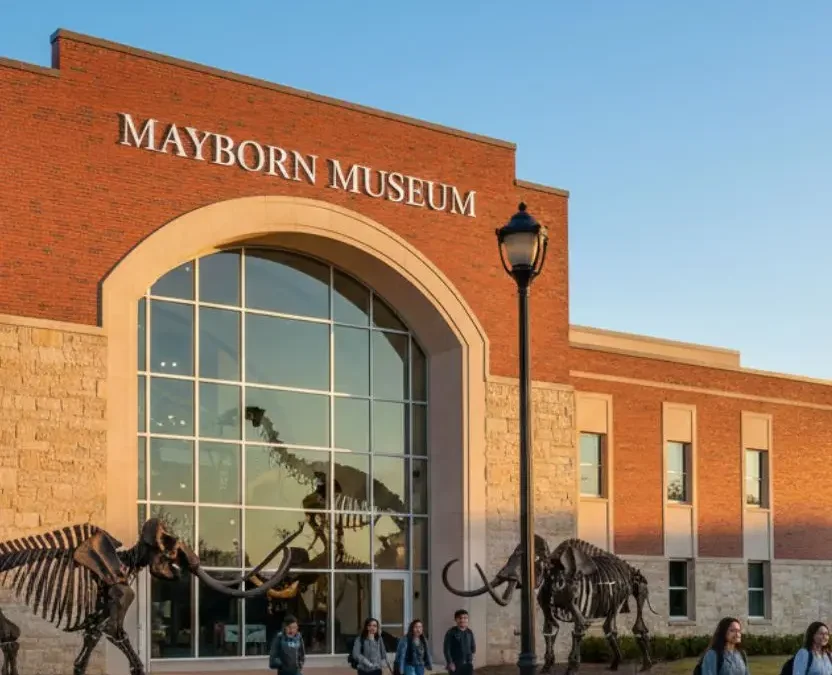
If you’re near Baylor University and want a quick cultural detour, Waco delivers more than campus scenery. From hands-on science at the Mayborn Museum Complex to art and sports halls a short walk or drive away, you can find museums that match whatever mood you’re in—educational, reflective, or just plain fun. You can visit world-class art, local history, and interactive science exhibits within minutes of campus, making museum trips easy to fit between classes or on a weekend.
I’ll guide you through the must-visit spots close to Baylor, highlight why the Mayborn deserves special mention, and explain what makes these museums especially convenient and engaging for Baylor students and campus visitors. Expect quick tips for planning visits, what to prioritize, and how to get the most out of each stop.
Must-Visit Museums Near Baylor University in Waco Texas (Updated 2026)
I pick these spots for their mix of hands-on science, Texas history, art, and unique local stories. Each offers easy access from campus and highlights you can plan a visit around, like fossil digs, soda-shop nostalgia, or rare Browning manuscripts.
Mayborn Museum Complex
I recommend the Mayborn for families and anyone curious about Central Texas natural history. The complex spans interactive discovery rooms, a full-size diorama collection, and a walk-through geology and paleontology area that showcases regional fossils and artifacts.
Hands-on exhibits appeal to kids and adults alike. I find the discovery rooms useful for learning through touch and demonstration, while the Gov. Bill & Vara Daniel Historic Village on site gives a look at 19th-century life in Texas.
Plan 1.5–2 hours for a focused visit, longer if you join a special program or workshop. The museum’s location on Baylor’s campus makes it easy to combine with nearby campus stops.
Waco Mammoth National Monument
I visit the Waco Mammoth to see an active paleontological site with in-situ Columbian mammoth remains. The site displays a nursery herd of mammoths preserved in a dig shelter and interprets Ice Age environments specific to the Bosque River area.
Ranger-led programs and fossil talks explain excavation techniques and the site’s significance. I recommend checking the schedule for guided tours, which add context you won’t get from viewing alone.
Allow 1–2 hours for the visitor center and shelter. The monument sits a short drive from Baylor and pairs well with outdoor time in nearby Bosque Park.
Dr Pepper Museum
I love the Dr Pepper Museum for its Waco-rooted story and turn-of-the-century soda fountain atmosphere. The museum occupies the original Artesian Manufacturing & Bottling Company building and traces Dr Pepper’s creation, bottling innovations, and marketing history.
Exhibits include vintage advertising, bottling equipment, and a working soda fountain where you can sample period-style beverages. I usually spend about an hour exploring the exhibits and grabbing a float at the soda counter.
This museum offers a compact, nostalgia-rich stop within downtown Waco’s Heritage Square, making it convenient after a Baylor campus visit.
Armstrong Browning Library
I choose the Armstrong Browning Library for literature fans and anyone interested in rare books and Victorian art. The library houses the world’s largest collection of Robert and Elizabeth Barrett Browning materials, along with murals and stained glass inspired by their poetry.
The reading room and exhibit galleries display first editions, manuscripts, and personal items that illuminate the Brownings’ lives. I recommend checking exhibit rotations and guided tours, which highlight special collections and architectural details.
Visits usually run 45–90 minutes depending on attention to detail. The library sits on Baylor University’s campus, so it’s easy to include during a campus walk.
Martin Museum of Art
I visit the Martin Museum of Art for its curated mix of historical and contemporary work. The museum presents rotating exhibitions drawn from its permanent collection and traveling shows that bring regional and national artists to Waco.
Gallery spaces are intimate, which lets me spend time with individual works without feeling rushed. The museum often hosts artist talks and educational programs—check the calendar if you want to attend an event.
A typical visit takes 30–60 minutes. Its location on the Baylor campus makes it a quick cultural stop between lectures or campus tours.
Texas Ranger Hall of Fame and Museum
I find the Texas Ranger Hall of Fame essential for understanding law enforcement history in Texas. The museum documents the Rangers’ origins, notable cases, artifacts, and uniforms, and it presents balanced context about their evolving role over time.
Highlights include case exhibits, interactive displays, and a Hall of Fame honoring Rangers’ service. I value the museum’s archival materials and the opportunity to see primary-source artifacts up close.
Plan 1–1.5 hours to view exhibits and read interpretive panels. The museum’s downtown location places it within easy driving distance of Baylor University.
Personal Recommendation Mayborn Museum Complex
I love the Mayborn Museum Complex for its mix of hands-on science and local history. The Jeanes Discovery Center makes it especially fun for kids, but adults find the exhibits engaging too.
The museum sits on Baylor’s campus, so it’s easy to reach when you’re visiting the university. I appreciate the walk-in dioramas that recreate Central Texas environments and the Waco Mammoth area; they give a clear sense of place without feeling overwhelming.
I recommend visiting with at least 90 minutes to two hours. That lets you explore the discovery center, natural science galleries, and cultural history displays at a relaxed pace.
Practical tips I use:
- Buy tickets on-site or check Baylor/Mayborn websites for hours and special events.
- Combine the visit with nearby Cameron Park for a full-day outing.
- Bring kids’ snacks and a small backpack; the museum is family-friendly but involves walking.
I find the balance of education and interactivity makes the Mayborn a top pick among Waco museums. It feels thoughtful and welcoming, and it works well whether you’re with family, a school group, or exploring solo.
What Makes These Museums Ideal for Baylor Students and Visitors
I find these museums convenient, varied, and welcoming. They fit a student’s schedule and a visitor’s curiosity without demanding a big budget or long travel time.
Walkability and Short Drive Access
Many destinations sit within or just off the Baylor campus, so I can walk to places like the Mayborn Museum in 10–15 minutes from central campus points. Short drives under 10 minutes cover spots across the Brazos River and downtown Waco, which saves time when I have back-to-back classes.
Parking is often available near each museum; some offer free or low-cost options for students. That reduces the friction of visiting between commitments. I also use bike lanes and sidewalks that connect campus to nearby cultural sites, making spontaneous visits easy.
Mix of Education, History, and Entertainment
I value museums that balance hands-on science, regional history, and pop-culture exhibits. The Mayborn, for example, pairs natural science displays with Central Texas cultural history and rotating exhibits. Other nearby museums include specialty collections like sports halls of fame and local-history museums that highlight Texas high school and college athletics.
This mix lets me choose a deep-dive learning experience or a lighter, entertaining visit depending on my mood. School programs and themed galleries support coursework when I need primary-source material or classroom-aligned field trips.
Family-Friendly and Budget-Conscious Options
I often bring family or friends, so accessibility matters. Several museums provide sensory backpacks, visual schedules, and hands-on discovery rooms that help children and visitors with different needs engage comfortably. These accommodations make visits more inclusive.
Budget-wise, I rely on museums that offer student discounts, low admission fees, or free days. That keeps cultural outings feasible during the semester without stretching my finances. Lists of free-admission options and student rates allow me to plan group visits without surprises.
Conclusion — Plan the Perfect Museum Visit Near Baylor
I recommend starting by checking each museum’s hours and special-closure dates before you go. Baylor-campus museums sometimes close for university holidays or game days, so I always verify on their website or social channels.
Pack a flexible itinerary with a mix of indoor and hands-on exhibits. I like to pair a natural history stop, such as the Mayborn, with a smaller specialty site to keep the day varied and manageable.
Use practical tips to save time and money:
- Arrive early to avoid crowds.
- Look for membership reciprocity (ASTC Passport at some institutions) if you plan multiple visits.
- Bring water and wear comfortable shoes for walking between campus spots.
If you’re visiting with kids or a group, prioritize interactive galleries and timed programs. I schedule discovery-center sessions or guided tours to keep engagement high and learning active.
Book tickets for special exhibitions in advance when possible. That helps ensure entry and lets me plan dining or campus breaks around exact time slots.
Finally, leave room for wandering. I enjoy exploring nearby campus landmarks and local eateries after a museum visit—those small detours often make the day more memorable.