
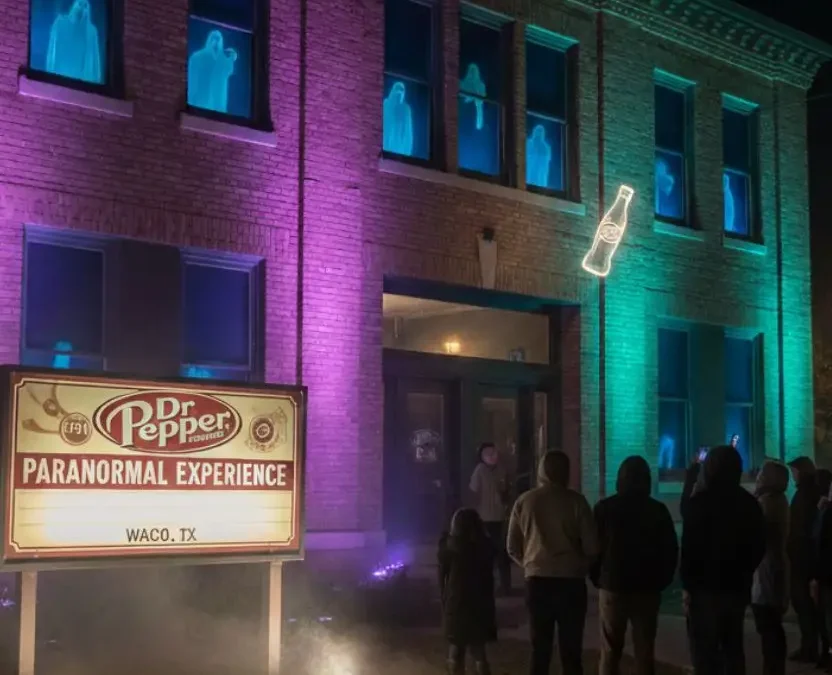
You should expect a two-hour, after-hours investigation through the historic Dr Pepper Museum that blends local history with hands-on ghost-hunting tools and dimly lit corners of the Kellum-Rotan building. If you want to see where staff and investigators report orbs, shadow figures, voices, and other unexplained sensations, this tour gives you direct access to those spaces with guides and equipment to help you investigate for yourself.
I’ll walk you through what the experience actually involves, what people commonly report during investigations, the museum’s history that fuels its reputation, and practical details to help you decide whether to book. Bring closed-toe shoes, an open mind, and a willingness to explore off-limits areas—this article will help you know what to expect before you go.
What the Dr Pepper Paranormal Experience in Waco Texas Really Is
I visited the Dr Pepper Museum’s Paranormal Experience to see how history, claimed sightings, and a guided investigation combine into one event. The tour runs about two hours, limits participants, and uses basic investigation tools while focusing on the museum’s historic spaces.
Is It an Official Paranormal Tour or Visitor-Led Experience?
I found the event is an official museum program run by the Dr Pepper Museum staff, not an informal, visitor-led ghost hunt. The museum schedules the Paranormal Experience with set dates and times, charges an admission fee, and enforces rules like age limits (18+), closed-toe shoes, signed waivers, and a no-filming policy.
Staff lead the group through both museum buildings, including areas normally off-limits such as the Kellum-Rotan Building basement. They provide investigative tools — for example, EMF readers and flashlights — and guide the investigation steps, rather than leaving guests to explore alone.
The experience keeps groups small (up to 16 people), which keeps the setting controlled and helps staff manage safety and preserve artifacts. I noticed museum personnel frame the event as a blend of history and investigation, not as a guarantee of supernatural contact.
Why This Location Attracts Paranormal Attention
I focused on the building’s age and its long commercial history to understand why people report activity. The Dr Pepper Museum occupies a 1906 bottling plant and adjacent historic spaces, which creates many hidden nooks, basements, and tight service areas where visitors and staff have reported phenomena.
Reported experiences include orbs, shadow figures, disembodied voices, apparitions, and strong emotional sensations. Those accounts come from a mix of museum staff, investigators, and long-term visitors who’ve spent extended time in the building’s dimmer zones.
Historic use, construction materials, and routine noises (pipes, settling wood, HVAC) can produce sensory effects that observers interpret as paranormal. I also noted that focused investigation events draw attention: when groups enter restricted areas at night, expectation and suggestion can shape experiences.
How This Experience Differs From Typical Haunted Attractions
I found three main differences that set this program apart from staged haunted attractions.
- Intent and tone: The museum frames the event as investigative and historical, not theatrical scare entertainment. Guides emphasize documentation and observation over jump scares.
- Venue and access: Participants explore real, historic museum spaces, including normally closed basements and archival areas, rather than purpose-built haunted houses with actors and props.
- Equipment and procedure: The tour supplies basic investigative tools and asks guests to sign waivers and follow safety rules. It limits photography and filming, focusing on controlled investigation rather than social-mediaable theatrics.
Those differences create a quieter, investigative atmosphere where curiosity and historical context matter more than adrenaline-driven spectacle.
Experiencing the Dr Pepper Paranormal Investigation (What Visitors Report)
I observed a mix of sensory phenomena, device readings, and emotional reactions during the two-hour investigations. Guests report specific locations and types of experiences that repeat across multiple nights.
What Visitors Commonly Experience During Quiet Hours
I noticed tours begin in the main exhibit areas and move into the Kellum-Rotan Building’s basement, where most reports originate. Visitors often mention seeing brief flashes of light—described as “orbs”—near display cases and along the stairwell between floors.
People also describe shadowy shapes moving at the edge of vision in dim corridors. Several guests report hearing disembodied voices or murmurs near the old bottling equipment, especially when groups separate briefly to inspect artifacts.
Guides enforce rules like no filming and closed-toe shoes, which keeps focus on direct observation and prevents misattributing camera artifacts or trip hazards to paranormal causes.
EMF Readings, Cold Spots, and Energy Shifts
I saw guests use EMF detectors and occasionally get spikes near wiring runs and the basement walls. Readings sometimes reach brief, localized peaks; however, those peaks often coincide with metal displays, electrical junctions, or staff equipment.
Cold spots are commonly reported in the basement and adjacent storage rooms. Visitors feel an abrupt drop in temperature in narrow corridors or near old machinery, enough that people put on jackets or step back.
Several participants described a change in the room’s atmosphere—what they call an “energy shift”—that makes conversation feel softer and movements slower. I remind people that both environmental factors and psychological expectation can influence perceived shifts.
Emotional Responses and Physical Sensations
I observed a range of emotions, from curiosity to unease. Many guests report feeling sudden sadness or heaviness near certain exhibits, particularly where historic photographs and personal items are displayed.
Physical sensations include tingling on the arms, hair standing up, and brief nausea in a few visitors. These reactions tend to occur when a group pauses in low light or focuses intently on a single item, increasing emotional contagion.
Some people leave excited and talkative, while others become quiet or choose to skip parts of the route. Staff require waivers and set safety rules to prepare visitors for both emotional and physical responses.
Areas Where Activity Is Most Frequently Reported
I found reports concentrate in four spots: the Kellum-Rotan Building basement, the old bottling line, the stairwell between the two main buildings, and a storage room with vintage crates. These areas share tight spaces, dim lighting, and older infrastructure.
The basement draws the most consistent accounts—cold pockets, EMF blips, and shadow sightings. The bottling line elicits auditory reports: clinks, footsteps, and faint voices that no one can attribute to current staff activity.
Stairwells and narrow corridors create sightline illusions and echo sounds, which visitors often interpret as apparitions or voices. Staff note the storage room as a place where multiple guests independently report similar feelings of being watched.
Historic Roots Behind the Dr Pepper Museum’s Paranormal Reputation
I trace the museum’s eerie reputation to three concrete sources: the building’s early industrial use and cramped working conditions, documented incidents from the bottling era, and the kinds of residual energy that often linger in long-occupied industrial sites. Each factor leaves physical and anecdotal traces that visitors and staff still report today.
The Kellum-Rotan Building and Early 1900s Working Conditions
I often start with the Kellum-Rotan building because its fabric holds much of the story. Built in 1906, the structure originally housed Artesian Manufacturing and became central to early bottling operations. Thick brick walls, narrow stairwells, low-light basements, and heavy machinery defined daily life there.
Workers faced long hours, loud equipment, and frequent maintenance in poorly ventilated spaces. Injuries and occasional on-site deaths were not uncommon in that era of early industrial labor. Those harsh conditions concentrated human activity and strong emotional experiences in specific rooms and corridors.
When staff and investigators describe cold spots, footsteps, or voices, those reports frequently map onto areas where the workforce lived and worked most intensely—basements, bottling floors, and storage rooms. The building’s unchanged layout preserves those focal points for both memory and speculation.
Dr Pepper’s Early Bottling Era and Recorded Incidents
I review records and oral histories that tie specific incidents to the museum’s lore. Early bottling operations involved glass, pressurized vessels, and steam—ingredients for accidents. Company logs, local news archives, and long-time employees recall several documented injuries and at least one fatality linked to mechanized bottling practices in the first half of the 20th century.
Beyond formal records, generations of staff anecdotes matter. Employees have reported seeing shadow figures, hearing voices, and witnessing inexplicable equipment movement. Paranormal investigators who visited the site have logged EMF fluctuations and visual anomalies, often in the same rooms cited by older accounts.
These overlapping sources—official mishap reports, newsroom mentions, and persistent staff testimony—create a consistent pattern. That pattern helps explain why visitors often single out the basement and original bottling floor during paranormal tours.
Why Residual Energy Is Common in Industrial Heritage Sites
I point out three reasons industrial sites like the Dr Pepper Museum commonly attract residual-energy reports. First, repeated intense activity—shifts of workers, accidents, and emotionally charged events—focuses human experience in confined spaces. Second, the architecture (concrete, brick, metal) holds sound and thermal differentials that can create sensory anomalies. Third, visible artifacts—machines, bottles, and tools—serve as strong cues that shape memory and expectation.
Psychological and environmental factors amplify reported experiences. Low lighting and echoing spaces alter perception. Historical interpretation and guided tours prime visitors to notice ambiguous stimuli. Investigative tools such as EMF readers can pick up wiring issues or structural electrical noise, which may be misattributed to paranormal causes.
I present these factors not as proof of the supernatural, but as practical reasons the museum’s history produces repeatable sensations and stories—especially in the basement and former bottling areas where archival records and living memory concentrate.
Common Questions Visitors Ask Before Going
I answer the questions I hear most from people planning the Paranormal Experience. Expect clear details about safety, what you might see on a regular visit, suitability for children, and how staff treat reported phenomena.
Is the Dr Pepper Paranormal Experience Safe?
I found the tour runs for two hours and requires guests to be 18 or older, which helps maintain a controlled environment. The museum enforces safety measures: closed-toe shoes are required, guests sign a waiver, and the tour includes dimly lit areas and access to the historic building basement.
Staff provide flashlights and investigative tools like EMF readers, and guides lead the group through restricted spaces to minimize wandering and accidental injury. If you have mobility issues or medical concerns, contact the museum before booking so staff can advise on accessibility and risks.
Filming is prohibited and food or drink is not allowed, which reduces tripping hazards and distraction. These rules, plus the small group size (up to 16 per slot), keep the event organized and safer than a self-guided exploration of old, dark spaces.
Can You Experience Paranormal Activity During Regular Visits?
I’ve heard many accounts from staff and investigators about orbs, shadow figures, voices, and sudden emotional shifts at the museum. Those reports span decades, but typical daytime museum visits are focused on exhibits and history rather than active investigation.
Regular visitors may notice odd cold spots, unexplained noises, or a feeling of being watched, especially in the older Kellum-Rotan building and the basement. However, the museum’s paranormal experience purposefully seeks out these phenomena with tools and guided investigation, so the chance of encountering notable activity rises when you join the dedicated two-hour tour.
If you want a higher probability of witnessing unusual events, book the Paranormal Experience rather than relying on chance during standard hours. I recommend reviewing the tour description and choosing an evening slot for the darker setting investigators prefer.
Is This Appropriate for Kids or Families?
I do not recommend the Paranormal Experience for children because the museum requires participants to be at least 18 years old. The content and setting—dim lighting, restricted historic spaces, and discussions of reported apparitions—can be unsettling for minors.
Families with teenagers should consider whether an adult-only environment and waiver are suitable for younger members; the museum’s age restriction simplifies that decision. For a family-friendly alternative, daytime visits to the museum offer exhibits, the soda fountain, and interactive experiences geared to all ages.
If you plan to attend with a non-participating family member, arrange childcare or visit separately. The tour’s safety rules and seriousness about potential hazards make it less appropriate for casual family attendance.
Do Staff Acknowledge Paranormal Activity?
I noticed the museum openly describes reported paranormal phenomena and runs a dedicated two-hour Paranormal Experience, which indicates staff take the subject seriously. The tour narrative includes historical context and firsthand reports from investigators and employees, not just folklore.
Museum guides use investigative tools during the tour, suggesting staff support structured exploration rather than dismissing claims. For specific inquiries or to report prior experiences, the museum provides direct contact options (email and a phone/text number) so guests can communicate with staff before or after booking.
That said, staff present findings professionally and emphasize visitor safety and respect for the historic site while discussing unexplained events.
Conclusion: Is the Dr Pepper Paranormal Experience in Waco Texas Worth Visiting?
I found the tour to be a focused two-hour investigative walk through both museum buildings, including the off-limits Kellum-Rotan basement, with hands-on tools and a small-group setting. The experience balances historical context with guided paranormal checks and enforces age and safety rules.
Who Will Love This Experience
I recommend this if you enjoy small-group, interactive tours and concrete activities like using EMF readers and flashlights. The group size limit (up to 16 people) keeps investigations personal, and the guided format means you won’t need prior ghost-hunting knowledge to participate.
History fans who like atmospheric settings will appreciate access to areas usually closed to the public, including the museum basement. Fans of novelty museum programming will value the included Dr Pepper bottle and the themed merchandise pop-up.
This isn’t for people who expect theatrical scares or heavy production effects. If you prefer quiet, observational investigation and a mix of local lore and equipment-led checks, you’ll likely get your money’s worth.
Final Thoughts for Skeptics and Believers Alike
I approached the tour with a neutral stance and found its strengths lie in structure and authenticity rather than guaranteed supernatural encounters. Guides share documented reports of orbs, voices, and shadow figures while providing a factual museum history that grounds the experience.
Skeptics get a chance to inspect claims with provided tools and to see how environmental factors in an old building can explain some phenomena. Believers get a controlled, immersive setting where many guides and staff report consistent activity over decades.
Practical details matter: the tour requires closed-toe shoes, a signed waiver, and is restricted to ages 18+. For the price point and what it includes—a guided investigation, gear, and a unique museum access—I found it to be a well-run option if you want a measured, hands-on paranormal night in Waco.